Health Benefits
- Naturally low in fat
- Naturally high in fibre
- A high protein food as 33% of its calories come from protein which contributes to the maintenance of muscle mass and normal bones.
- A source of potassium
- A source of phosphorus
- A source of iron, which contributes to the reduction of tiredness and fatigue.
- High in vitamin B1 (thiamine) which contributes to normal function of the heart.
- A source of vitamin B3 (niacin)
- High in folate which contributes to normal function of the immune system.
- High in vitamin C
Nutritional Information
| Per 100g (raw) | |||
| Calories | 83Kcal | ||
| Protein | 6.9g | ||
| Carbohydrate | 11.3g | ||
| Fat | 1.5g | ||
| Fibre | 4.7g (NSP) 5.3g (AOAC) |
Preparing
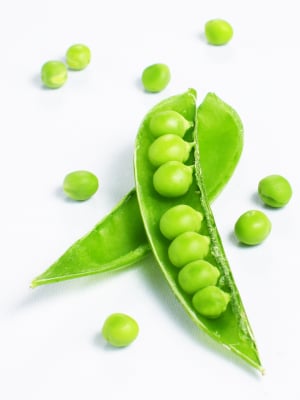
If buying peas, they should be as fresh as possible. In top condition, the pods should be bright green, the more withered the pod, the longer they have been stored incorrectly.Before cooking peas they will need to be shelled. Then they can be cooked in a pan of rapidly boiling water with some mint. Don’t overcook peas, as they will lose their colour and flavour, and some of their nutrients. They can be blanched and refreshed to use in salads.
Using
One of the first recipes for peas was “petits pois à la française” (peas cooked with small hearted lettuce), which is still a popular dish. Peas are also used in many Indian dishes and vegetarian recipes. They are also used to make soup – minted or with bacon, for example. They can be used in stir-fries and curries, stews and casseroles.
Flavours and ingredients that go well with peas include orange, lemon, mint, lettuce, spinach,wine, bacon, Indian spices, Thai spices and cream.
Looking for some recipe inspiration? Why not try this tatsy Pea and Bacon soup.