

Port Congestion and its Cost Implication in Nigeria
1st March 2021
Ese Okpomo, West Africa Market Specialist, Bord Bia – The Irish Food Board
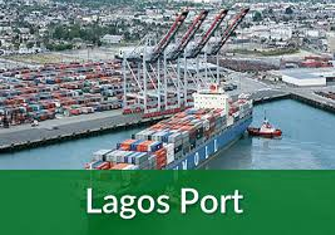
Nigeria is an import dependant nation as it imports a lot of raw materials and almost all finished goods.
The nation has 6 ports both currently the most utilised are the 2 located in the nation’s commercial capital Lagos.
With almost 90% of imports going through either Apapa port or Tincan and these ports function with aged infrastructure congestion has been inevitable over the year.
The Nigerian government closed its land borders in 2019 and only recently opened it as at December 2020, with this action activities all imports had to be channelled via the seaport. This action not only increased activities at the ports but it also increased pressure on the analogy system used at the ports. Vessels arrive the Nigerian waters and are not able to berth for up to 3 weeks.
The congestion is caused by ageing infrastructure; poor rail transport that forces 90 per cent of cargo to go by road; and an almost complete lack of automation, which means every container must be physically inspected by customs officials.
Roads leading to the port are currently undergoing repairs and completion seem to be far off, and the rail system currently none existent. Fleet operators get to spend an average of 2 weeks to get into the port as there is a long queue of trucks trying to get into the ports to truck out containers. These fleet operators are also encountered with adhoc levies they are required to pay to get into the ports. All these have led to the cost of local container trucking to increase and currently almost the same value as it is to transport a container from China. The average freight cost from China to Lagos is $3,500 while the average cost to truck a 40’ container out for the port for 20km to Lagos Mainland is $4000.
To reduce time spent waiting to receive their products, some manufacturers now opt to send their good to Onne in Porthacourt SouthSouth Nigeria. Though the time spent to get one container is shorter, importers have to deal with sending these containers down to Lagos. The journey from Porthacourt to Lagos averages 8hours but there is an element of insecurity on the roads.
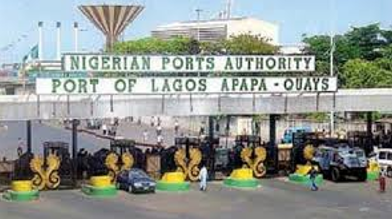
The government has committed to improving the workings at the ports and also getting the other ports in the country to work optimally. The head of the Nigeria Port Authority is quoted as saying “The NPA plans to digitise the processing of containers and has pressed terminal operators to invest more”.
For further information contact info@bordbia.ie