

Poles, Understanding 38 million Consumers
Krzysztof Pogorzelec, Manager CEE
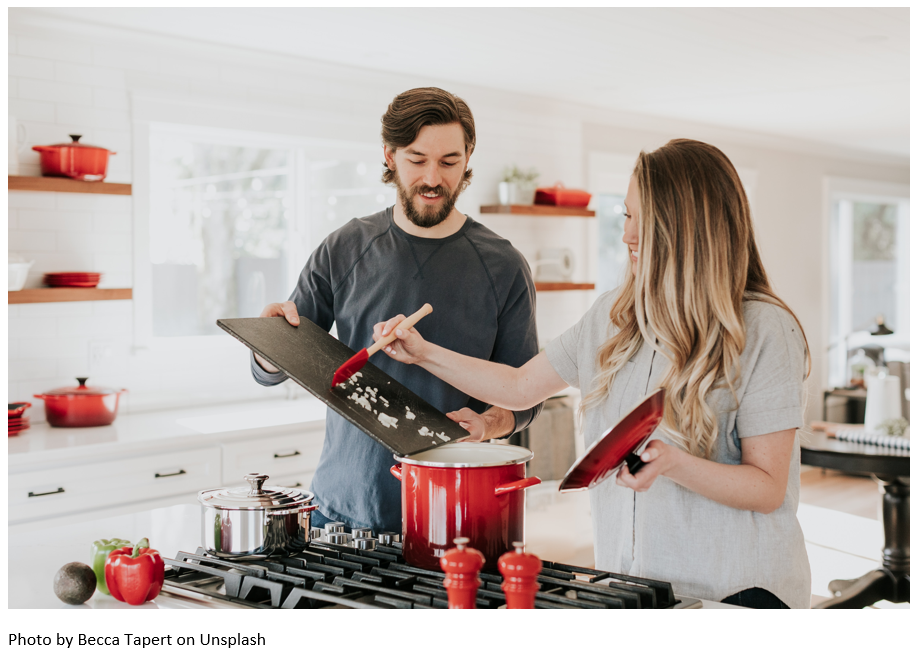
Did you now that 17% of Poles are flexitarians? Or that 37 percent of Polish men cook several times a week?
Poland, a country of 38 million people, is the fifth largest consumer market in the European Union. With the economy growing continuously from 1992 to 2020 and again in 2021, both in terms of the entire economy and the value of purchasing power, it is a very attractive place to introduce new food products.
The key to market success is through understanding consumers. In-depth knowledge of the target groups, their attitudes, and motivations, as well as their shopping and eating habits will allow to determine the market potential and develop an appropriate market entry strategy. The new 'Polish Food Trends, 2021' report from IPOS gives very precise answers to many of these and other questions about Poles as food consumers.
Careful innovators
Poles are considered to be conservative consumers. This is not true. It is more precise to say that they are loyal to brands and their own vision of what, how and when they want to eat. 80% of Poles prefer traditional local cuisine and 76% claim that they have their own favourite traditional dishes and proven recipes. At the same time, 58% of Poles declare that they like to experiment and use recipes for new dishes, and that the same number likes to try new food. Poland is a country of a thriving food industry and a place of very dynamic New Product Development. Poles are therefore open to new things, but you need to understand the way to the market and the main purchasing motivators.
The Apron is the new dinner suit
The pandemic caused the introduction of a hybrid way of working, combined with the availability of many culinary inspirations, which influenced the frequency of preparing meals at home. More Poles cook, but... it only applies to men. This group saw an increase from 28% to 37% in the last 2 years. The share of women cooking has remained unchanged – although it is still the dominant group with 86% share. Moreover, 45% of Poles prepare one or more meals from start to finish at least once a week. The increase in culinary activity among the male population makes it an interesting target group. Additionally, the number of people willing to buy foreign and exotic products is increasing, especially in the group of up to 34 years and in cities with more than 200,000 inhabitants.
Polish people are looking for culinary inspiration on the Internet. Every year less and less people watch culinary programs on television, and the popularity of the Internet in this matter has not diminished. 48% of respondents report the Internet is their main source of recipes. It is worth bearing in mind, above all, YouTube channels, blogs, and social media. Digital activities are “must have” for food producers in Poland now.
Convenience? Yes, but…
Interestingly, despite the increase in the number of people cooking at the same time, Poles do not give up ordering meals at home. The level of on-to-go orders remained unchanged despite the opening of restaurants, bars and eateries. So, what has changed?
First, Poles spend more on meals delivered - about 10% more than before the pandemic and almost 50% more than four years ago. Second, the assortment of ordered dishes expanded. Among the most popular dishes, the king is pizza (75%), followed by kebab (33%), Asian cuisine (19%) and chicken and burgers - about 17%. Internet services that aggregate orders recorded a significant increase.
The frequency of cooking with the use of ready-to-eat food and semi-finished products has remained unchanged, although a further improvement in the opinion about this category is visible. In the last 2 years, the general attitude towards those meals has improved significantly as well. Currently, 67% of Poles believe that ready meals or semi-finished meals are no less tasty than those made from scratch. At the same time, 59% believe such meals have just as much nutritional value. Polish consumers positively perceive producers’ NPD efforts - every third Pole agrees that the offer of ready-to-eat, and semi-finished products is becoming more and more interesting, and quality improving every year.
This is a very important consumer phenomenon, compared to Ireland, the offer and quality of this type of food is lagging far behind.
To learn more about Polish consumers, their shopping and eating behaviour, as well as their attitudes towards vegetarian food and sustainability contact thethinkinghouse@bordbia.ie.
Data source: Ipsos Poland, Polish Food Trends, 2021 edition