

Advancing Beef Sustainability: Key Insights from the 2024 GRSB Board Meeting and Italian Beef Innovation Tour
Niamh Gunn – International Graduate
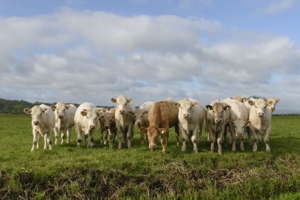
The 2024 Global Roundtable for Sustainable Beef (GRSB) Board Meeting and Italian Beef Innovation Tour, held in Bologna, Italy, from April 3rd to 5th, brought together global stakeholders in the beef industry to discuss and explore avenues for enhancing sustainability practices. This event served as a pivotal platform for sharing knowledge, fostering collaboration, and showcasing innovative solutions to address the pressing challenges facing the beef sector.
Discussions at the GRSB Board Meeting started by shedding light on the progress made in reducing the livestock sector's contribution to global emissions. FAO (Food and Agriculture Organisation) speaker Dominik Wisser, noted the total contribution of livestock to global emissions has decreased from 2013 report of 14.5% to 12%, (FAO 2023), signifying a positive trend towards environmental stewardship. Wisser identified key strategies for mitigating environmental impacts including enhancing productivity, refining breeding and genetics, and bolstering animal health. He explained, “these measures, coupled with increased investment in methane abatement initiatives, are pivotal for achieving meaningful reductions in emissions by 2030 and beyond”.
Collaboration emerged as a central theme during the discussions, highlighting the importance of a unified approach towards beef sustainability. By harnessing the power of collaboration across the supply chain, stakeholders can leverage data-driven insights to drive meaningful improvements. Collecting and analysing farm-level data can inform strategic decision-making and enable stakeholders to identify areas for improvement. Speaker Katie Major, from Dunbia ended the working group discussions by stating, “collaboration at every level of the supply chain is essential for driving tangible progress towards a more sustainable beef industry”.
A notable insight gleaned from the event is the dedication of farmers to enhancing sustainability practices at the farm level. Despite facing challenges such as fluctuating market conditions and regulatory pressures, beef farmers have demonstrated remarkable resilience and innovation. Irish beef farmers were used as an example to their commitment to be reducing the carbon footprint of beef production by 10%, underscoring their proactive approach towards sustainability. Mick Houlihan, European Roundtable for Beef Sustainability member, demonstrated the shift in conversation among farmers from merely understanding sustainability requirements to actively seeking specific actions for improvement, highlighting their proactive stance towards adopting sustainable practices at farm level.
In today's media landscape, topics like climate change and animal welfare have gained prominence, especially in Europe. Andrea Bertaglio, an environmental journalist, underscores the importance of balancing technical information with emotional communication, particularly regarding beef sustainability. Consumers are now more interested in understanding the environmental impact of food production, highlighting the necessity for transparent and engaging communication strategies. Bertaglio aptly noted, "Science and facts are simply not enough," emphasising the need for emotional coverage, especially at the farm level, to humanise content and effectively convey the sustainable efforts farmers dedicate to consumers.
The event also included a visit to Rino Mastrotto, renowned for its luxury leather creations. Attendees had the opportunity to witness the sustainable use of beef byproducts. The company highlighted its commitment to achieving climate neutrality for its products by 2040 and for its organisation by 2050. This commitment entails forging innovative partnerships with companies that repurpose waste products from processing into fertilisers. Rino Mastrotto's alignment with sustainability goals exemplifies industry leadership and sets a benchmark for others to emulate. This commitment underscores the significance of proactive measures in mitigating the environmental impact of beef production.
The Italian Beef Innovation Tour was next in line, showcasing innovative approaches to waste management in the livestock sector. Legamiebte, Europe's largest biomethane plant, demonstrated the potential of anaerobic digestion in converting methane gas from livestock waste into liquid biogas. Additionally, byproducts of digestion are reused as natural fertilisers, promoting circularity and resource efficiency. Such innovative solutions not only reduce environmental impact but also contribute to the creation of a sustainable and resilient food system.
Collaboration within the beef industry emerges as the cornerstone for advancing sustainability, as highlighted by the following insights. Through unified efforts across the supply chain and a commitment to realistic goals, stakeholders can drive meaningful progress towards a more sustainable beef industry.
Reference
FAO (2023). Pathways towards lower emissions. [online] openknowledge.fao.org. FAO ; Available at: https://openknowledge.fao.org/items/b3f21d6d-bd6d-4e66-b8ca-63ce376560b5 [Accessed 25 Apr. 2024].