

2020 – The Year of the Crisis
7th December 2020
Brand Forum
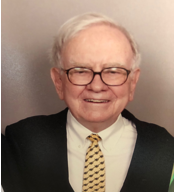
It takes 20 years to build a reputation and 5 minutes to ruin it. If you think about that, you’ll do things differently.” Warren Buffet.
Whether it’s managing farmers protests, brand activism, a factory fire, product recall or dealing with the first global pandemic of our lifetime, the ability to effectively & efficiently respond to a crisis is vital to defend your business and your reputation.
Regardless of your company’s size and nature of your business, it has become timely to engage with the topic of crisis management, learn on how best to manage a crisis and ensure you are investing in important assets - people, reputation and operation. Whether managing the project internally or contracting expertise there are some basic actions that can and should be adopted.
A coordinated approach to crisis management is essential to ensure a business effectively identifies and anticipates potential issues, therefore preventing a crises from developing and ultimately influencing their evolution and the outcome. A recent Brand Forum’s Crisis Management webinar outlines key principles, guidelines and protocols when faced with a crisis. It also addressed the best practise in communication in times of crisis.
One standout example of crisis management, of a company that was not only human and transparent, but used their crisis as an opportunity to strengthen their reputation was KFC. KFC biggest crisis in the company’s history struck on Valentine’s Day 2018, when the company switched over to new distribution partner to "improve the efficiency and performance of supply chain" to its 900-plus restaurants in the Britain and Ireland. Disaster struck - no chicken and outlets were forced to close their doors. It was the perfect storm, Staff pay issues, food wastage, unions, angry customers and bombarded by media. Rather than retreat KFC immediately responded with a brave and compelling communications campaign – one that has been described as a "masterclass in communications"
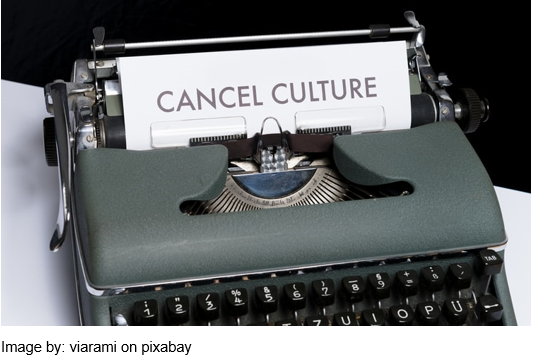
Not all brand owners have been as brave and successful as KFC. As people turn their attention to internet and smart phones ‘cancel culture’ has accelerated with the pace of social media. In a world where outrage travels fast on Twitter, the sharp edge of activism is no longer the preserve for just oil brands or big tobacco. This past year J Malone, L’Oreal and Oatly have all found their names attached to the ~cancelled hashtag on Twitter. What brands do in the hours, days and weeks after a crises are critical to their survival. The core principles of managing this remain the same. At a basic level, it’s apologise, try get ahead of the story by acting quickly and then learn from your mistakes once the crisis has passed.
Crisis is a magnifier - it can bring out the best (or worst) in your company and your people. John F. Kennedy once observed that the word “crisis” in Chinese is composed of two characters—one representing danger, the other opportunity. While the reality may be very different for those businesses severely disrupted by lockdown and associated restrictions The sentiment is true. The COVID-19 pandemic has upended nearly every aspect of life, from the personal to the professional. Many companies have pivoted to capitalising on opportunities.
Some of the world’s biggest food brands such as Kraft Heinz, Pepsico and Quaker are realising long held ambitions to sell directly to consumers, using Coronavirus disruption to bypass retailers. This is surely a trend that’s gathering pace when we see high profile acquisition by Nestle of Mindful Chef. While it’s not envisaged that this is a replacement for tradition retail channel, it is an opportunity for brand owners to learn first-hand what works and does not work in ecommerce, and to gather valuable data about customers that they otherwise wouldn’t be at their disposal.
Eoin Butler, Replenishment Director at Musgrave Group contributed to the recent Brand Forum webinar. He outlined how at the onset of the Covid crisis, Supervalu swiftly activated their crisis management and business continuity plan. Supervalu viewed Covid not as a crisis but an opportunity. They adopted responsibility to ‘feed the nation’, delivering social confidence and reassurance, a responsibility beyond price and profit. Supervalu’s award winning on line media campaigns during this period focused on ‘reassurance’ and drove emotional connection with the brand.
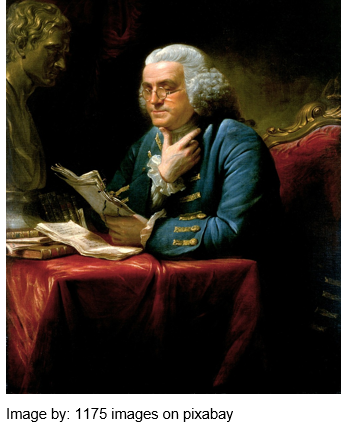
“By failing to prepare, you are preparing to fail.” Benjamin Franklin. Those less prepared for a crisis and without the vision of hindsight have left their mark. Two incidents worth noting include, United Airlines passenger David Doa is forcefully removed from an overbooked flight. Secondly, Tony Hayward BP’s Chief Executive, will forever be synonymous with his interview stating he wanted “to get my life back.” doing irreparable damage to the BP reputation, credibility and stock price.
In summary crisis management and the ability to manage in times of great pressure has a direct correlation to future commercial success. Surviving a crisis together can bond your people to your organisation. On the flipside, a poorly executed crisis response can send an organisation into a tailspin from which they may never recover.
- Bord Bia Brand Forum Crisis Communications Webinar, facilitated by WHPR and Q&A Supervalu
- United Airlines video https://vimeo.com/user84166588/review/471401761/bb4c65dfe2 BP CEO
- The crisis comms lesson behind KFC's 'FCK bucket' | PR Week, Nov. 8, 2018
KFC Award winning campaign Cannes https://www.youtube.com/watch?v=UMduI9bEV68
- Big Food Brands side step retailers in pandemic, Financial Times May 28, 2020
- Why Brands Need to Pay attention to Cancel Culture, Forbes, September 2020