

Cause-Related Marketing- Time for a rethink?
Data from DoSomething Strategic, a research consultancy that focuses on social impact found that 58% of respondents were more likely to buy from brands supporting good causes but that very few (12%) had top of mind recall of which brands supported which good causes.
In order to use this potentially backfiring weapon in the marketers’ arsenal it’s important to really think through when it will work well to drive your brand forward and when you can end up shooting yourself in the foot. P&G know a thing or two about selling razor blades. Last year they decided a new twist on their ‘best a man can get’ might work as the ‘best a man can be’- campaign that sought to challenge some of the harmful behaviours society deems ‘masculine’. Their best efforts quickly became unstuck when some women’s groups cried foul, pointing out that the company often charges women 20 per cent more for the same male-version of the product.
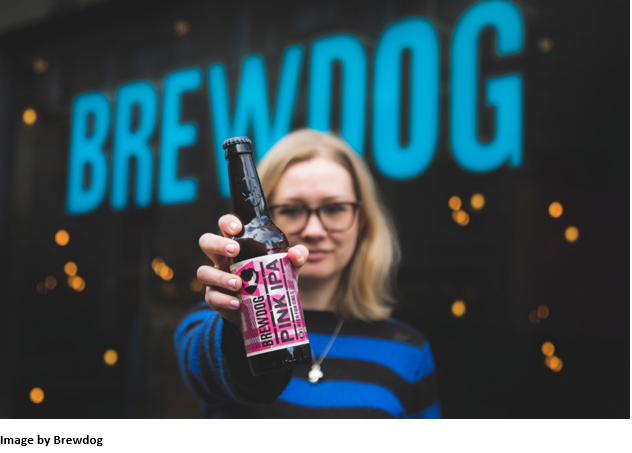
More relevant to food and drink producers is Brewdog, the Scottish craft beer producer. Perhaps ill-advisedly they launched ‘pink brew’, a beer which-no prizes for guessing was aimed specifically at women. To highlight the point that women sometimes unfairly earn less than their male counterparts they priced the brew 20% less than ‘normal’ beer. Cue the cries of ‘pink-washing’ from both women and men. There were even rumours of a law suit based on gender discrimination after a barman refused to sell the product to a man.
Do’s and Don’ts for Irish business
- 1. Practice what you preach.
To be successful in this area brands must align their core brand purpose with the ‘purpose-related’ marketing they engage in. Coca Cola’s recent ‘Refresh the feed’ is a good example of this. The brand flooded its social media feed with content reflecting its core values including optimism, uplift and connection on last year’s ‘World Kindness Day’.
- 2. Be as sure as you can that the cause you choose relates specifically to your target market.
Unilever self-care brand Dove may take a view on how traditional advertising stereotypes women but could a car brand do the same given that industry’s stereotypical behavior of the past?
- 3. Don’t be tokenistic.
Consumers will likely smell a rat if they feel a brand is trying to be ‘too worthy’. Be careful to only associate with causes you really believe in and don’t just do this for the short term. For Pride 2019, M&S launched a limited edition LGBTQ-supportive sandwich compete with rainbow flag branding. Some consumers, including several LGBTQ support groups labeled this tokenistic and even a little patronizing.
References:
‘Cause is Working. Your Marketing Isn’t:
Survey of Young People and Social Change’, DoSomething Strategic, 2019
‘Marketers need to rethink ‘purpose marketing’ Irish Times, Jan 2020
‘Cause marketing isn’t Enough for Young Shoppers’, Canvas8, May, 2019
‘Coke’s #Refreshthefeed Demonstrates its Core Values’, Canvas8. Nov, 2018