

Creativity in Crisis
The Brand Forum frequently addresses the importance of recognising examples of long-term thinking, creativity and execution to build better brands. However there is considerable evidence from the recent past that investing in long-term brand-building is shrinking as more and more budgets are directed to short-term sales activation and maintaining a presence on social media.
A recent Brand Forum webinar delivered by Rory Hamilton, founder and director of the marketing agency Boys & Girls; addressed the importance of recognising examples of long-term thinking to ensure brand marketing communications work harder. The presentation shared insightful guidance and principles for Irish food and drink brand owners, which are summarised below.
Ireland has a rich history of successful and memorable campaigns from the Guinness ‘dancing man’ to the Garda having himself a Kit-Kat on top of the Dublin mountains, from the farmer who’d won the lottery pulling bales of hay in his Lamborghini, to Sally ‘O Brien in the Harp ad. These ads were etched in our hearts but there doesn’t seem to be as many of them around these days. Rory Hamilton introduced his presentation telling how every year the staff in their agency are asked to nominate their favourite advertising campaigns from the previous year. However over the last few years, they noted that people are finding it more and more difficult to answer the question - to remember campaigns that impressed them. There could be all kinds of reasons for this from the fragmentation of media to the rise in social media platforms, but the fact remains that there are less campaigns that get everyone talking. Survey data confirm the trend; 91% of respondents think advertising is intrusive, 64% find it annoying and only 11% actually enjoy the ads.
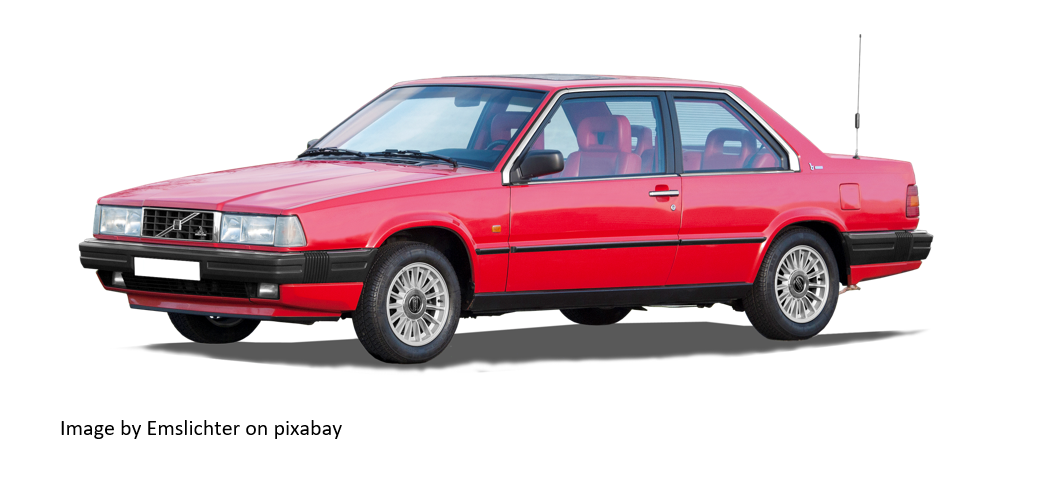
One of the reasons is that we are not trying hard enough to entertain our audience, advertisers keep promoting facts and ancillary benefits…. ‘20% more this, 10% less that’. We are living in what has been described as a plague of infobesity; we are guilty of information overload rather than trying to beguile and engage. The reason why people can’t remember our marketing communications is that feelings last longer than facts. We remember that Volvo makes us feel safe, not how many miles it does to the gallon, we remember that Nike makes us want to exercise, not what goes into their air soles, Apple makes us feel creative and empowered, but care considerably less about their megahertz.
During the last few months in response to Covid 19 we have seen a plethora of wholly predictable copy, ‘in these uncertain and unprecedented times’, ‘nothing is more important than our people’, ‘we are here for you now’, the sentiment is fine, but who cares? From consumer perspective the advertisers almost become anonymous and due to the generic way they address their audience, they give little reason to engage? But there are some examples of brands still making an impact, still appealing to our emotions.
Rory Hamilton shared his study of a wide range of recent examples of marketing communications that are effective in the long term and capable of generating warmth for brands, yet delivering commercial success. The common themes and lessons that apply to brand owners can be summarised in to the following ten points. They’re not commandments, creativity doesn’t sit easily with hard and fast laws, and they are more guiding principles that might be considered when planning campaigns.
The first is to make sure your brand communication is based on a good brand idea. One should be able to write down that idea in one sentence; if it can’t be achieved then it’s not working. Secondly that idea must make people feel something; it must have emotional appeal; it must evoke an emotional response. The third lesson is not to be afraid to use real examples from your own experience; the more personal the message the more likely it is to appeal to people’s emotions. The fourth lesson is to aim high, it takes time to build a brand, so one has to have a high ambition.
Remember Steve Job’s definition of what the Apple brand stands for ‘the people who think they can change the world are the people who probably will’. The fifth lesson is that when the brand idea is chosen, ensure it permeates touchpoint, everything you do, from packing to your social media communications, from business card to a press or radio ads.The sixth lesson is to learn from the classic campaigns of the past. The besetting sin of people who work in marketing communications is to be constantly rushing around fixated on the latest fad instead of seeing what can be learnt from previous work. Brand owners should have a comprehensive knowledge of all the great marketing communications campaigns from both their category in the home and international market.
Lesson number seven is to make sure the communication is embedded in contemporary culture; if it reflects people’s current preoccupations and aspirations it won’t automatically look like an ad. Eighth, remember that a limited budget can have the advantage of forcing you to maximise the creative use of every single resource you have; from your pack to your web-site. Many successful brands have been built on the strength of their pack design. The ninth lesson is another reminder that brands are built over the long term and consistency has been a key factor in their success. We’re too often tempted to make unnecessary changes. Finally, always remember that bravery beats budget; creativity involves risk, not money so if you’re short of money take the plunge.
References
https://www.bordbia.ie/industry/covid-19/covid-webinars/previous-webinars/
https://www.bordbia.ie/globalassets/bordbia2020/news--events/speaker-presentations/bord-bia-brand-forum-creativity-in-crisis-27.05.20.pdf
Forbes US 2019
Kantar Dimension Study UK 2019
“Generic advertising in these uncertain times”, Marketing Week 5th May 2020 - Tom Fishburne,
http://marketingcartoonist.com/