

The Plant-Based Market - China 2020
23rd November 2020
Dale Breheny, Global Graduate Shanghai, Bord Bia - The Irish Food Board
This Food Alert will explore what the plant-based category currently looks like in China, and how Irish suppliers can successfully adapt to what we are seeing in the market. The Bord Bia consumer lifestyle trends driving the category are ‘Health & Well-being’ and ‘Engaging Experiences’, as health-conscious, curious consumers look for innovative and functional new offerings to add to their diet.
Putting Plant-Based into Context in China
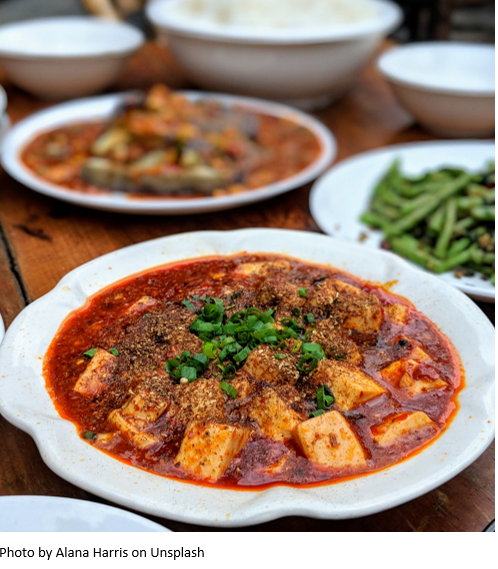
Soy-based food and drink products and plant-based dishes have a long history in Chinese cuisine, with products like tofu seen as a diet staple for many, and vegetarian restaurants common to cater to the country’s Buddhist population. The packaged meat substitutes category alone was worth €8.7 billion in 2019, according to Euromonitor (2020). While veganism is taking off as novel and trendy for environmentally-conscious Western consumers, there is less traction for this diet in China. The appeal of plant-based products in China has long been part of a more flexitarian approach, with many health-conscious consumers, especially in the 40+ age group, looking to reduce but not replace their meat intake to achieve a balanced diet. This has been further popularized post-covid, with health concerns more of a focus than ever for consumers, and plant-based products benefitting from a ‘cleaner’ image.
Innovation is Key to Attracting New Customers
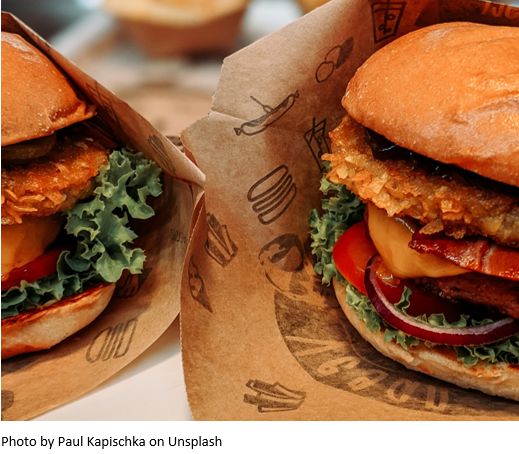
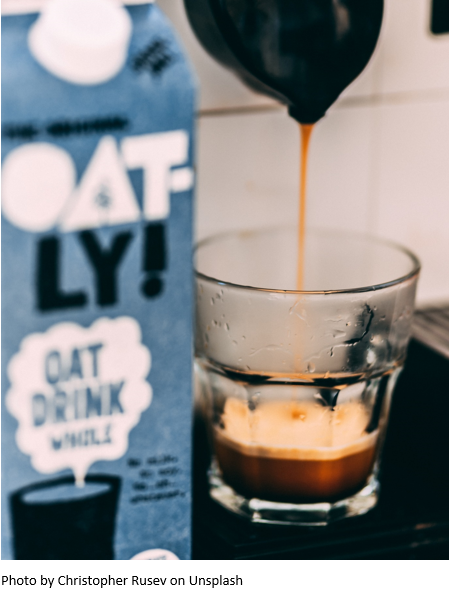
Traditional plant-based offerings in the market are affordable and well-understood, so new products to the category must be exciting and improve on existing offerings to justify their premium price point and gain new customers. For example, organic is the most popular claim for new soy-based products. As in many other categories, the target customer for imported brands has been affluent middle- to upper-classes who are open to trying new things. The main arenas for creativity in the space are plant-based drinks and meat alternatives, with 80% of Chinese consumers opting for plant-based drinks (e.g. hot soy ‘milk’) for breakfast and 74% of Chinese consumers interested in trying plant-based meat (Mintel, 2020). Foodservice is the playground to test out new innovations, before successfully launching in the on- and offline retail channels. There are many examples of this, including Oatly entering the market by partnering with local coffee chains, and Beyond Meat teaming up with Yum China outlets (Taco Bell, KFC and Pizza Hut) and Starbucks for vegan menu options. Mintel (2020) also expect fitness to be a future growth area for plant-based.
Focus on Functionality and Flavour
With the focus on health rather than responsible consumption, functional claims must be prominent in the marketing of new plant-based products. With drinks this may be added vitamins or fibre for digestion. The attraction of meat products for snacking or evening meals is the flavour, so plant-based alternatives must compete on taste, while alleviating associated health concerns of meat for consumers. For example, sweet and spicy duck neck has become a popular snack in recent years originating from Hubei Province, but consumers are conscious of its high levels of fat and salt. Zhou Hei Ya’s vegan ‘duck neck’ claims to be high in protein, while low in calories, trans-fat, and cholesterol, for a healthier alternative that doesn’t compromise on taste.
Brands that Localize Last
There are numerous domestic start-ups developing products specifically to fit different styles of Chinese cuisine, so in order to compete foreign brands must venture past Western food-pairings for their products. Local examples include:
- Gu Rou, developing plant-based chunks to imitate fish meat for pickled fish pot, sliced beef for hotpot and chicken for braised chicken and rice, all intended to sell directly into restaurants.
- Zhen Rou have done something similar, creating vegan versions of spicy crayfish and crispy fried pork for snacking and hotpot.
- The first local collaboration in the space is between Dicos fast-food chicken restaurant chain and Starfield artificial meat company to launch their plant-based ‘chicken’ burger at a comparable price to their normal offering and available across all of their China stores.
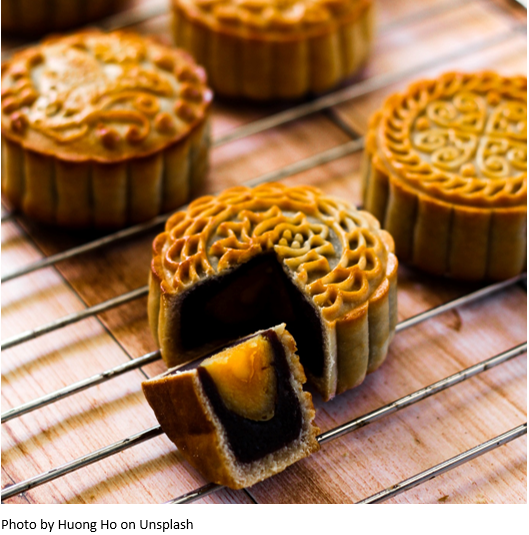
- Given the importance of festivals in the Chinese calendar, we have also seen local players developing plant-based versions of traditional dishes, e.g. Just Like Meat created plant-based mooncakes for Mid-Autumn Festival.
It’s important for imported brands to also try and adapt to local cuisine and culture, which can be done through partnerships in the market, which we have seen with the likes of Cargill, Impossible Foods and Beyond Meat.
Key Takeaways
- In order to be successful in the plant-based market in China, localization, product innovation and emphasis on functional health benefits are paramount.
- The foodservice channel is the best way to test out new products before a full retail launch.
- Chinese consumers are most used to seeing plant-based alternatives in the drinks and meat categories.
Sources:
Bord Bia. (2020). Consumer Lifestyle Trends.
Euromonitor. (2020). Meat Substitutes in China.
Mintel. (2020). Localising plant based meat for China.
Mintel. (2020). Plant-based Diets (Incl Impact of Covid-19) – China – April 2020.
Mintel. (2020). Trend Observation - Vegan Duck.
Mintel. (2020). Trend Observation – Crispy Fried Plants.