

UK Food Standards Debate Rumbles On
28th September 2020
Donal Denvir, Manager GB, Bord Bia - The Irish Food Board
The future of what food standards will apply in the UK post-Brexit still remains unclear as the House of Lords this week backed an amendment to the Agriculture Bill.
Lords voted on two amendments this week to the Agriculture Bill that would mean that imported foods would have to meet domestic standards and the role of the Trade and Agriculture Commission would be strengthened. This development should be seen as broadly positive news for Irish Food and Drink exports to the UK, which are very closely aligned to the currently high domestic standards in the UK.
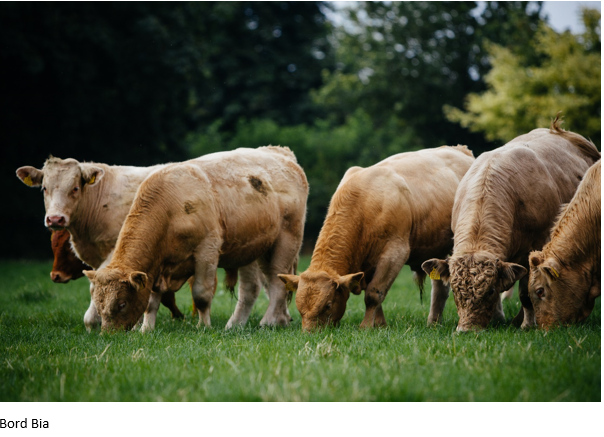
In May of this year, the House of Commons voted against an amendment to the UK’s Agriculture Bill that would have guaranteed high standards for food and drink entering the country post-Brexit. In essence, the conundrum that faces the UK government and society as a whole is that the UK is only 61% self-sufficient in all foods and post-Brexit a lot of the food that they currently import from the EU, including of course Irish Beef and Dairy, may face additional tariffs, which in turn will increase the cost of food to consumers unless cheaper, lower quality, lower food standard alternatives are found. It is, of course, in the interests of Irish Food and Drink suppliers that high food standards are maintained.
Lord Grantchester noted, “Low-quality food cannot be allowed to jeopardise rural communities by undercutting UK farmers with products using methods that would be illegal here.” Consumers did not want chlorinated chicken or hormone-treated beef to be imported from the US, he said. Concerns around animal welfare and deforestation are two of the key considerations within the food standards debate. The UK government has said it is dedicated to improving animal welfare standards and had robust processes in place to protect them.