

Denis Buckley, Nordic Office, Bord Bia - The Irish Food Board
It is no great revelation that consumers are becoming more environmentally conscious and are wanting to increase their sustainability efforts. Consumers view food consumption as a means of achieving said efforts. This responsible living consumer lifestyle trend will only grow into the future. 2.8% of the total adult Swedish population consider themselves vegans, whilst 4.7% consider themselves vegetarians and 12.7% consider themselves ‘re-balancers’ (Bord Bia, 2019). Such ‘re-balancers’ have a more flexible and less extreme approach to meat consumption as opposed to vegetarians and vegans. Re-balancers form a sense of community and identity. Research from the Swedish Board of Agriculture in 2018 revealed that average meat consumption dropped by 2.6% for that year and beef consumption amongst Swedes dropped on average a mere 1.1kg for the year from a relatively high consumption rate (Mintel, 2018). Although the figures are not huge, they are definitely something worth noting.
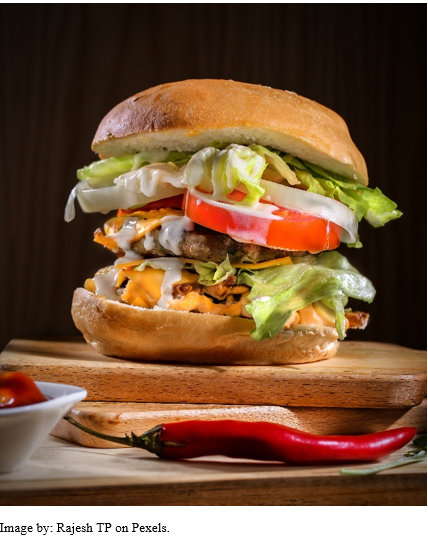
Already in Denmark, companies are recognizing the opportunity present for alternative sources of meat. Danish Crown, the world’s second largest producer of pork are reacting in innovative ways which also tie into the responsible living trend. Some of the larger fast food chains are buying into the concept and putting their own spin on it. Burger King Sweden’s 50-50 menu leaves it to chance whether the consumer will receive a beef based or plant based burger, thereby challenging the consumer to guess whether their burger is meat or plant based. This relates to the consumer lifestyle trend of engaging experiences and how consumers want alternative dietary lifestyles. Burger King are so convinced of the great taste of their plant-based patties that they believe consumers will not be able to tell them apart from their meat counterparts. This is a fun and novel way for Flexitarians to do their part in reducing their meat consumption.
Swedish consumers are amongst the most health conscious and sustainably minded people in the world. Hence, the health and wellbeing trend is alive and kicking in Sweden. Swedes often search to obtain alternative protein sources which has been represented by huge increases in the sales of protein bars: SEK135 million in 2013 to SEK379 million in 2018 (Euromonitor International, 2019). Along with the traditional route, companies are realizing that new sources of protein can be a means of capitalising going forward, even the iconic Swedish meatballs are not immune from the flexitarian craze. IKEA have plans to debut plant-based meatballs in February 2020.
It is highly likely that this trend will be around for the formidable future both in Ireland and around the world. Although the numbers are not particularly high, the flexitarian movement could provide new opportunities to the meat industry
Reference List:
BordBia 2019: Alternative Dietary Lifestyles Study
Mintel 2018: Eating Less Meat
Agricultural Business Magazine 2019: https://www.atl.nu/lantbruk/danish-crown-lanserar-kottfars-med-halften-gronsaker/?utm_source=ATL+Nyhetsbrev&utm_campaign=fa759797ec-RSS_EMAIL_ONCE_1500&utm_medium=email&utm_term=0_0f8856c868-fa759797ec-113317257&mc_cid=fa759797ec&mc_eid=8859d1f09c
Fox News 2019: https://www.foxnews.com/food-drink/burger-king-50-50-menu-real-meat-plant-based
Euromonitor International 2019: Sports Nutrition in Sweden
ABC News 2019: https://abcnews.go.com/Business/ikeas-swedish-meatballs-makeover-plant-based-beef/story?id=62802689