

Chrisitna Howlett, Global Graduate, Bord Bia - The Irish Food Board
Mintel’s report ‘A year of innovation in yogurt, 2019’ highlights the many challenges and opportunities that yogurt producers are attempting to address at the moment, including competition between branded and private label and placing emphasis on sustainable and high protein innovation. This Food Alert will focus on yogurt trends in Europe and provide some inspiration to Irish manufacturer.
The majority of European markets have mature consumption rates of yogurt, however the countries that are driving consumption include the Netherlands, Turkey and Russia. Closer to home, between the UK and Ireland, there have been 231 yogurt launches this year, with the top five claims being; vegetarian, ethical – environmentally friendly packaging, ethical – recycling, low/no/reduced fat and no additives/preservatives.
Competition between brands vs private label (PL)
The competition is heating up in the grocery sector between brands and private label. More than three in ten European consumers agree that there is no difference in quality between branded and own-label products. Some 75% of innovation is coming from the branded category which has centred on premium indulgence and more adventurous flavours. It has been identified that PL could benefit from offering more reduced sugar and lactose-free recipes.
How is this competition playing out?
Great Taste
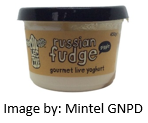
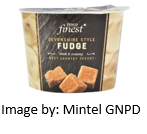
Flavour and quality remain a key focus for both branded and PL offerings, reflecting consumers’ perception of yogurt as a treat. To convey indulgence, many launches focuses on indulgent textures and high-quality ingredients. Both The Collective and Tesco have launched fudge yogurts which focuses on indulgent textures and high-quality ingredients.
Dessert alternatives
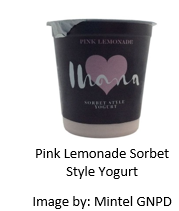
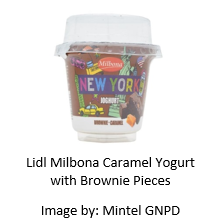
Yogurt is increasingly being seen as a dessert option. Arla have recently introduced Finnish brand, Ihana, positioned as a dessert alternative. The premium line comprises of Greek-style yogurts in sorbet-style flavours like Pink Lemonade that can be enjoyed either chilled or frozen. Similarly, Lidl’s Milbona have unveiled a New York-inspired Caramel Yogurt with Brownie Pieces.
Exotic flavours
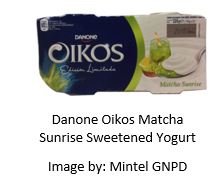
This is brought to life here by Danone and Lidl, as they have been seeking inspiration from the Far East with Southeast Asian ingredients like matcha, ginger and lychee
Low sugar
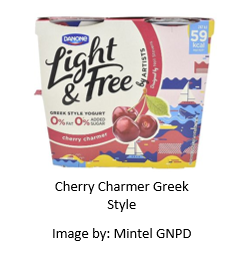
Reducing sugar consumption is the biggest change people have made to their diets over the last decade, and many yogurt brands have made efforts to reduce the sugar content of their products. Danone has recently taken an innovative approach to promote its 0% added sugar Light & Free range to forge a lifestyle positioning. They selected four British artists to design its bespoke packaging, but also gave the artist the opportunity to make a Spotify playlist which can be accessed by the consumer via a QR code on the pack.
Emphasis on sustainable innovation
Consumers have been pushed towards more sustainable habits by regulation and limitation, and we continue to be pulled towards sustainable alternatives that are innovative and build status, bringing personal kudos as well as environmental benefit. The environmental impact of dairy production is under scrutiny, forcing yogurt producers to take sustainable actions and cater for the ‘green consumer’. Some 32% of UK yogurt buyers claim that environmental concerns have caused them to cut back on yogurt in the last 12 months.
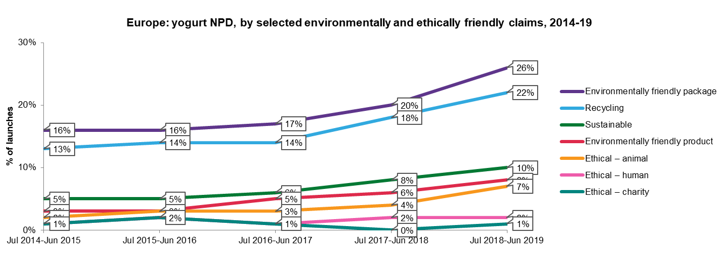
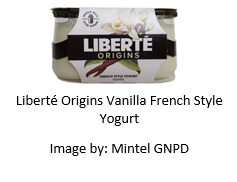
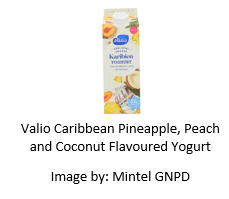
As part of this, plastic packaging is receiving negative attention, which is significant to yogurt producers as nearly 90% of all spoonable yogurts are packaged in plastic tubs. Therefore, companies that are able to demonstrate greener packaging credentials will benefit from a willingness among European consumers to pay for environmentally friendly packaging. Liberté Origins Vanilla French Style Yogurt is packed in ‘environmentally friendly’ glass jars (UK), and Valio Caribbean Pineapple, Peach and Coconut Flavoured Yogurt is made from ‘renewable plant sources’ (Sweden).
Good animal welfare
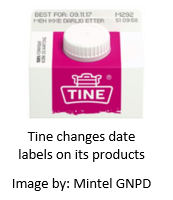
Good animal welfare is also something consumers will pay more for. Demonstrating increased transparency around welfare practices should help dairy producers appeal to consumers and justify a premium price. Food waste is becoming more of a concern to consumers, and Tine – Norway’s largest dairy Co-Op – has recently launched a label reading ‘Best before, but not bad after’, which replaces the ‘best before’ date. It aims to highlight that products do not necessarily have to be thrown away once the ‘best before’ date has been reached and encourages consumers to think more carefully about their attitude towards food waste.
High-Protein Innovation
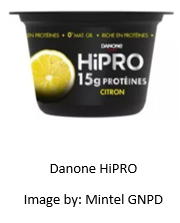
Some 60% of German, French and Spanish consumers agree that yogurt is a great way to get protein into the diet. This year, 11% of all yogurt innovations have featured an added/high protein claim on the pack. They appeal to the health conscious consumer who seek products offering satiety and energy benefits through natural means.
New straining techniques and other styles such as Skyr and quark are taking over from Greek yogurt.
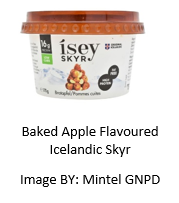
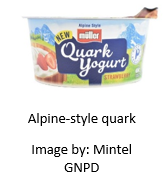
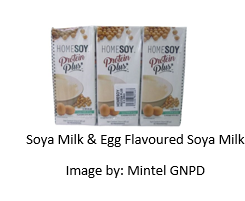
Other sources of protein are being explored, such as grain and seeds, but there is also an opportunity for producers to explore new sourcesMost yogurts promote ‘milk protein’ on the pack, however, inspiration can be taken from Asian brand Homesoy Protein Plus, who use egg white powder to boost the protein content to 7.3g per 236ml per pack.
- Mintel. ‘A year of Innovation in Yogurt. (2019)
- Product Images Mintel GNPD