

4 Key Consumer Trends in Post – Covid Spain
Tara O'Hanlon, Global Business Development
The impact of the Covid19 health crisis has reshaped the eating habits of consumers all over the world and Spain is no exception. This article will discuss the key consumer trends that have emerged from the pandemic as Spanish consumers adjust to life post-Covid.

Image by JackF on Unsplash
Focus on Healthy Eating
Throughout the pandemic, consumers have begun to increasingly prioritize health and wellbeing, which is progressively being manifested in their relationship with food. Spanish consumers are showing a much greater concern for making healthy food choices (Euromonitor,2022). According to data reflected in the new edition of the FOOD Barometer, 3 in 4 Spaniards are more aware of their health and of following a healthy diet since the Covid-19 pandemic. 88% of consumers expect restaurants to offer healthier options and 37% say that they now eat healthier after this period of crisis (Restauracion News, 2021). Furthermore, 55.4% of consumers claim to be willing to spend more on healthier food options (Restauración News, 2022).
Burgers and pizza were the most popular fast food choices in Spain in 2021, as for many consumers this was their preferred comfort food option during the lockdown period. However, these segments are now undergoing a major shift as restauranteurs try to cater to the needs and wants of the increasingly health conscious consumer, by expanding their offering to include healthier options such as wholegrain pizza dough and burger buns, as well as fresh vegetables. Another emerging trend that is beginning to attract local health conscious consumers is Hawaiian poke bowls, which are becoming particularly popular in major cities across the country (Euromonitor, 2022).
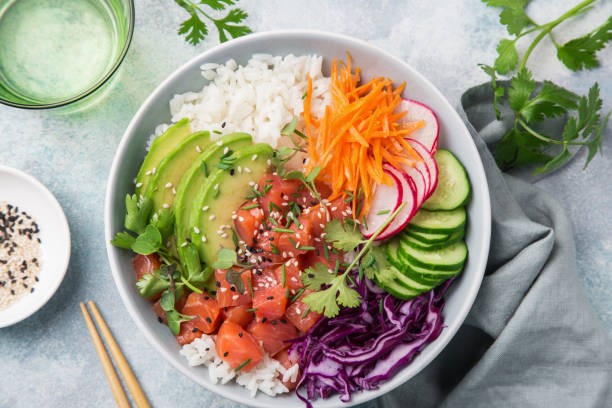
Image by Anna_Shepulova on Unsplash
The Rise of Vegetarianism and Veganism
With this renewed focus on health and wellness, Spaniards are becoming increasingly interested in vegan and vegetarian options when looking to dine out or order a takeaway, as these options are considered to be healthier and more ethical. According to a study carried out by the Papa John’s pizza chain, more than half of Spanish consumers are willing to reduce their meat consumption, citing reasons such as health (63%), the guarantee of animal welfare (22%), and environmental reasons (15%). To this end, many foodservice establishments are adjusting their offering to cater to this change in preference. Many are using ingredients such as plant-based meat and cheese, quinoa and soy, to create food options that satisfy this emerging inclination towards plant-based alternatives. Examples include Burger King Spain, which in addition to its vegetarian range, which includes consumer favorites such as The Whopper Vegetal, launched a vegetarian pop-up restaurant in Madrid in October 2021, called ‘Vurger king’ where they offered vegetarian alternatives of their standard menu. For example, the ‘Long Chicken’ was replaced by the ‘Long Vegetal’, which featured plant-based chicken made from soya and wheat protein produced by The Vegetarian Butcher (Euromonitor, 2022).
According to The Green Revolution report in 2021, the number of Spaniards who chose to opt for a vegetarian-based diet increased by 34% compared to the previous year, thus indicating that approximately 13% of the adult population in Spain is choosing to adopt a strictly plant- based diet (Restauración News, 2022). Furthermore, 62% of consumers under 44 expect brands to offer a plant-based option (Alimarket, 2021).

Image by Vaaseenaa on Unsplash
Greater Opportunities for Home Delivery
Prior to the emergence of the pandemic, home delivery represented only a 5% value share of full-service restaurants. However, this rose to 22% in 2020 in line with the restrictions arising from the Covid-19 pandemic which limited consumers’ ability to dine out. According to a recent survey conducted by online restaurant reservation platform El Tenedor, 29% of Spanish consumers have increased their consumption of delivery and takeaway. While the gradual easing of restrictions in recent months has caused many consumers to return to eating out more regularly, the overall sales value for both takeaway and home delivery has remained significantly higher than that of pre-pandemic levels (Euromonitor, 2022). Data gathered by research group The NPD group revealed that in the first half of 2021, 36% of consumer spending was represented by delivery, takeaway or drive through, indicating a 68% growth across these categories since 2019 (Restauración News, 2021). Changing consumer habits such as spending greater time at home and working remotely have offered further opportunities for home delivery, which did not previously exist.
Furthermore, during the lockdown period of the pandemic, a significant number of Spanish families invested in new home appliances, subscriptions to streaming platforms, or home gym equipment to keep themselves entertained at home. Therefore, it is likely that they will continue to spend more leisure time in their homes, and maintain the demand for home delivery services (Euromonitor, 2022).

Image by Norma Mortenson by Pexels
Greater Desire for Convenient Food Options
While home delivery is predicted to gain further momentum, driven by new habits formed during the pandemic, other convenient options will increasingly gain traction, and create competition. The pandemic served to accelerate the existing trend of consumers purchasing freshly prepared, ready-to-eat meals. As the immediate threat from Covid-19 diminishes and consumers return to familiar hectic lifestyles, there is likely to be growing demand for convenient meal options. For instance, modern grocery retailers such as convenience stores and supermarkets are likely to continue to expand their offer of ready-to-eat food, which they can quickly adapt in line with consumers’ changing preferences, particularly in terms of providing healthier options. The grocery chain, Mercadona, is amongst the companies that has already significantly increased its offer of ready-to-eat food in its supermarket outlets in small, dedicated dining areas, and this is expected to become an increasingly prominent feature of limited-service restaurants into the future (Euromonitor, 2022).
The consumption of prepared dishes at home in Spain amounted to 654,614t in 2021 which is 1.7% more than that of the previous year, according to data from the Spanish Association of Manufacturers of Prepared Dishes (Asefapre). According to Álvaro Aguilar, the general secretary of Asefapre, the growth lies in the fact that “consumers are increasingly looking for more tasty, healthy food proposals that adapt to their daily routine. The prepared dishes not only meet all these characteristics, but also offer extra security to the consumer, as they are packaged."
Pizza continues to be the most consumed prepared dish in Spanish households, followed by other products such as rice-based dishes, refrigerated tortillas, and plant-based alternatives (Alimarket, 2022).
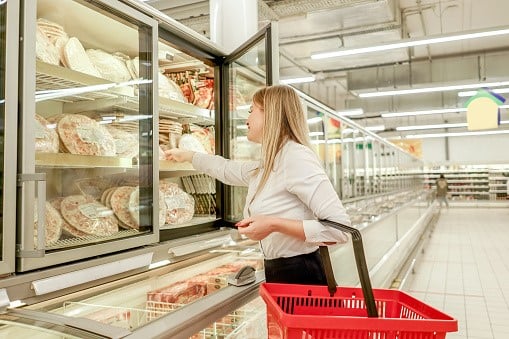
Image by Tatyana Maximova on Unsplash
There is no doubt that even as the immediate threat of Covid19 eases and Spain begins to slowly regain a sense of normality, the challenges presented by Covid19 have created a critical shift in consumer behavior that will likely last well beyond the pandemic. Irish Food and Drink suppliers will have to adjust their offering to cater to a market that is strongly embracing the trend of plant-based alternatives and prioritizes health and convenience in a way where they are not mutually exclusive.
References
Euromonitor International, 2022. Consumer Foodservice in Spain. [online] Euromonitor. Available at: <http://euromonitor.com> [Accessed 11 March 2022]
Euromonitor International, 2022. Full-Service Restaurants in Spain [online] Euromonitor. Available at: <http://euromonitor.com> [Accessed 11 March 2022]
Euromonitor International, 2022. Full-Service Restaurants in Spain [online] Euromonitor. Available at: <http://euromonitor.com> [Accessed 11 March 2022]
Restauración News, 2022. La búsqueda de restaurantes healthy crece un 20% desde 2020 [Online] Restauración News. Available at: <https://restauracionnews.com> [Accsessed 15 March 2022]
Restauración News, 2022. El boom veggie aumenta un 25% la oferta vegana en los restaurantes [Online] <https://restauracionnews.com> [Accsessed 15 March 2022]
Restauración News, 2022. La alimentación tradicional, sostenible y saludable será tendencia en 2022 [Online] <https://restauracionnews.com> [Accsessed 17 March 2022]
Restauración News, 2022. Los españoles esperan más opciones saludables en los restaurantes [Online] <https://restauracionnews.com> [Accsessed 18 March 2022]
Restauración News, 2022. Tendencias que se asentarán en el canal delivery durante 2022 [Online] <https://restauracionnews.com> [Accsessed 18 March 2022]
Restauración News, 2021. El 36% del gasto de los españoles en restauración es en delivery y takeaway [Online] <https://restauracionnews.com> [Accsessed 18 March 2022]
Alimarket, 2022. El consumo de platos preparados continúa su imparable ascenso [Online] <https://www.alimarket.es> [Accessed 22 March 2022]
Alimarket, 2021. El 62% de los menores de 44 años esperan que las marcas ofrezcan una opción plant-based [Online] <https://www.alimarket.es> [Accessed 22 March 2022]