

Alternative protein market declines after period of growth
Seamus McMenamin- Sheepmeat and Livestock Sector Manager, Bord Bia
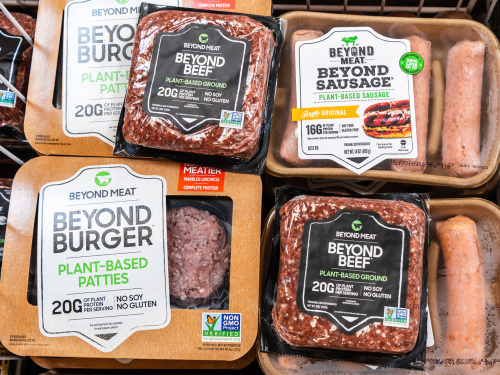
Image Source: Sundry Photography / Shutterstock.com
Recent analysis conducted by Gira has indicated significant declines in investment in the alternative protein market at a global level. Huge increases in the level of investment were recorded from 2018 through to 2021 when invested capital in the sector totalled $5.2 billion. This meteoric rise in investment however was short lived with investment declining to just $2.9 billion in 2022 and is forecast to have declined even further in 2023.
So why the change?
A number of factors have contributed to this abrupt decline in investments. Declining returns in the sector has significantly reduced the availability of venture capital funds while increasing interest rates on existing debts have been another huge barrier to securing further investment.
Instability in supply chains and the huge investment required to meet consumer demands by addressing issues with taste, quality and consistency of alternative protein products have also been a hindrance to securing further funding. Between 2018 and 2021 many well known global dairy and meat companies invested in the alternative protein space. While initial signals from consumers and markets were very positive there has been a general shift away from the category in more recent years, with many companies incurring significant, and very public, financial losses as a result.
A look at the causes
Shifting consumer purchasing behaviours in response to higher costs of living have seen many consumers who actively sought out alternative proteins now shifting back to conventional meat and dairy products. Increases in unit prices have also been identified as a barrier to retaining consumers in the sector with plant based alternatives to meat recording a nine per cent increase in retail price between 2021 and 2022. Similar levels of increases in retail process have been recorded for plant based alternatives to dairy which have prompted consumers to switch back to what they know in times of reduced financial security.
Increased regulation and scrutiny around health and sustainability claims have also contributed to the declining levels of investment in the sector, particularly when the sourcing of a long list of constituent ingredients are considered. The alternative protein market is a fast moving sector which makes it difficult to plan long term demand and the growing list of companies who have failed to find traction in the market has rattled potential investor confidence.
And yet there's positives in the sector
It is however not all bad news for the sector. With global protein demand continuing to grow faster than global meat and dairy production it creates a small but growing niche for alternatives provided that companies can meet the demands of consumers in terms of taste, texture, sustainability and nutritional value. This has been some growth in investment in the cultivated meats arena with global production now estimated to be somewhere in the region of 10,000 tonne annually. There is also significant government support available to explore the production of alternative proteins in some regions of the word, particularly China, Japan and Singapore.
Source:
Gira Meat Club 2023