

Consumer food response to inflationary pressures in the UK
Michal Slawski, Sector Manager Horticulture
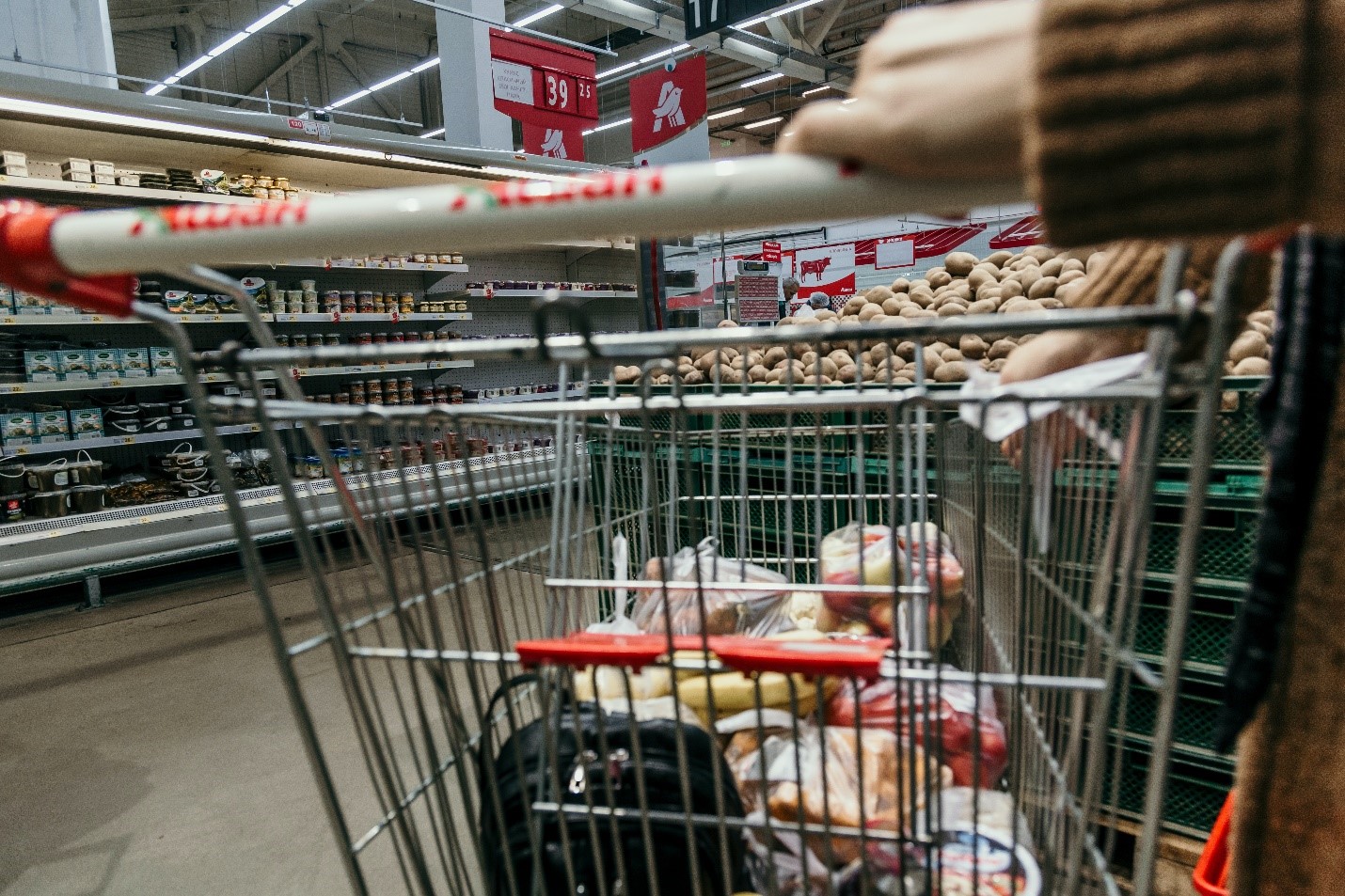
Photo by Marjan Blan on Unsplash
Recent Kantar figures (20 June 2023) show that since the start of the year, consumers have been struggling to cope with inflation in the UK, with a general rate of 10.3% in March, but 19.7% in food, pushing food prices to a 45 year high.
More recently, like-for-like grocery price inflation has dropped to its lowest level since 2022 and now sits at 16.5% for the four weeks to 11 June 2023, according to the latest data. British take-home grocery sales rose by 10.8% over the month in comparison with the same period last year.
This is the lowest rate of grocery price inflation in 2023, but it is still the sixth highest monthly figure in the past 15 years. There is an expectation that if the trend is the same as last summer, that inflation will continue to fall.
Of the top five financial worries that consumers have, rising grocery prices is the only one that they are more concerned about now than at the start of this year. Nearly 70% of households are either ‘extremely’ or ‘very worried’ about food and drink inflation compared to just over two thirds when asked the same question in January.
Shoppers have been continuing to try and mitigate the effect of price increases, with many switching to the cheapest own label lines. Total spending on these value ranges has rocketed by 41% compared to last year and retailers have been quick to respond, expanding their offerings to meet demand. This has helped the value tier to become the fastest growing part of the market every month since June 2022.
Cooking at home has risen, and this increasingly means scratch cooking for more main meals, with assembled meals losing share (using prepared veg or sauces). This extends to meal simplification as well; fewer categories feature than ever before, with levels outgrowing those seen pre Covid-19, people are preparing breakfast with three or less categories, and lunch and dinner with 6 or less categories.
There is evidence some switches are being made to the ingredients being used for meals, for example in vegetables, there has been an increase in the sales of both canned and frozen vegetables in an attempt to save money. Meals that are trending are the familiar, those that taste good, and those that are filling, while health has dropped down the agenda.
Here are some of the suggested strategies to remain relevant to consumers in the face of changing habits.
Changes in the way of cooking/preparing meals
Cooking from scratch requires more effort but can be more cost effective. Think about messaging around quality of foods and cost per meal.
Different (cheaper) meal choices
There is a need to give consumers inspiration to eat foods in a variety of ways.
Fewer ingredients
Skipping discretionary/nice to have additions is happening. Prove the value of the food on the plate.
Cheaper like for like alternatives
Promote the benefits of products to reframe the role they can play in meals.
Mushrooms have several attributes that should help them in the current climate. They are very versatile, and can be used at different meal times, and in a variety of dishes, which would make them essential if consumers are only choosing a few vegetables. They are also know for their meaty texture and flavor, so rather than cutting out meat, they can help meat to go further by substituting a portion of meat for mushrooms.
References:
McKevitt, F. (2023, June 20). UK grocery inflation falls to slowest monthly rate this year but shoppers still feeling the pressure. Retrieved July 3, 2023, from Kantar website: https://www.kantar.com/uki/inspiration/fmcg/2023-wp-uk-grocery-inflation-falls-but-shoppers-still-feeling-the-pressure
Kantar. (2023). Bord Bia Biannual Mushroom Presentation. Kantar.