

Learning from Failure
Amy Bond, Assistant Librarian and Information Specialist
Companies will often take inspiration from the success of their competitors, but there can be just as much to learn from the failures of others. Knowing what has failed in the past, and understanding the reasons behind this failure can help prevent the same mistakes being repeated.
A new library of business and finance in Edinburgh has put this idea at the heart of its collections and work. It is called the Library of Mistakes and it wants to change the world, one mistake at a time. Its founder Russell Napier has said “all of us make decisions not knowing the future, and therefore we’re prone to mistakes…If we study these mistakes, we might be able to work out where they come from and create less of them” (Shendruk, 2022). Here in the Bord Bia library, we have taken inspiration from their work and have pulled some case studies from our collection that examine failures. Below we analyse what went wrong to see what we can learn from mistakes made.
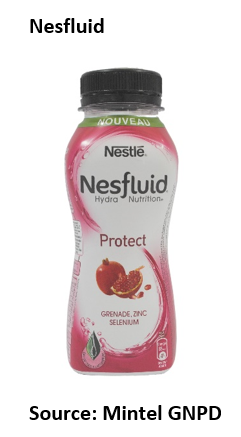
In 2010 Nestlé launched Nesfuild health drinks in France. Supported by a €12m marketing campaign, the brand still failed to connect with consumers. In its first year it had sales of less than €3m. There were a number of reasons for this shortcoming. (Mellentin, 2014)
- Too many health benefits. The range contained multiple products each with different health benefits. There was no clear message around what the brand delivered to consumers. It is better to focus on a small number of benefits and communicate these clearly.
- Targeted mass market too soon. While this complicated health messaging would have always been an issue, this was compounded by Nestlé’s attempt to target the mass market right away. Finding a niche market may have ultimately brought more long term growth.
- Poor Taste. The product failed to deliver on taste, and no matter what health benefits your product delivers, consumers won’t keep paying for products they don’t enjoy. Research found that those consumers who had bought the product once weren’t inclined to purchase it again.
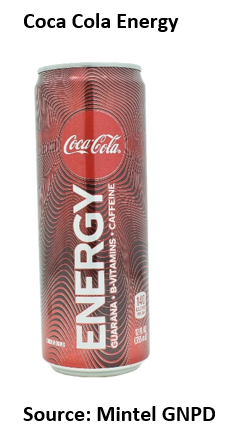
In 2020 Coca Cola launched its new energy drink, Coca-Cola Energy, into the US market. Despite being an established brand and a growing category, this product failed to make an impact and Coca-Cola announced plans to withdraw the product from the market after less than two years. A number of factors have been identified for this. (GlobalData, 2021).
- Struggled to differentiate itself. Coca-Cola Energy was hampered by the brand ubiquity of Coca Cola. It failed to communicate its energy benefits, and often retailers were stocking it with regular carbonates, rather than energy drinks. Therefore, consumers looking for an energy boost weren’t even seeing the product.
- Didn’t take risks. The above point is directly related to Coca-Cola playing it safe with the branding of this new product. While its brand heritage is strong in the carbonates category, something bolder was needed to win share within energy drinks.
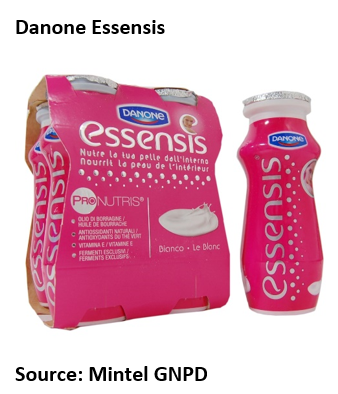
This innovative yoghurt brand promised better skin to consumers in France. It had a promising launch in 2007 but failed to maintain momentum. A relaunch the following year was also unsuccessful in igniting consumer interest. By 2010 the product had been withdrawn from the market. So, what led to this failure (Mellentin, 2014)?
- Niche Appeal. There was simply too small a consumer base interested in this product. The idea of eating your way to better skin was too novel an idea to achieve the mass market appeal Danone were aiming for with their launch.
- Unjustified Price Premium. Consumers couldn’t justify the price difference between this product and other yoghurt brands. The benefits were too intangible, and the price premium was even starker when considering the amount that would need to be consumed to achieve these benefits.
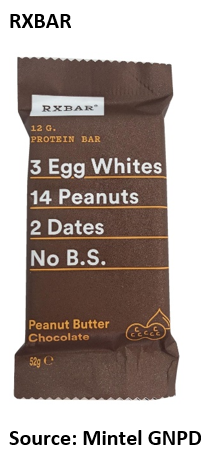
After achieving strong growth in the US market, RXBAR hoped to replicate their success with a UK launch in 2017. Only two years later the brand had been discontinued. What had gone wrong in it its winning formula? (GlobalData, 2021)
- Failure to Localise. The brand didn’t adapt to local tastes when launching in a new market. Its simple, no B.S., packaging didn’t communicate enough of its benefits to stand out in the crowded UK category. Its US aesthetic isn’t what UK consumers expect from a clean label product.
- Failed to Find Audience. Its marketing strategy of appealing to everyone, in the end didn’t really appeal to anyone. Their advertising stated it was perfect for ‘Pre Workout’ then followed this with a list of all the other occasions it was suitable for, like breakfast, and the commute or ‘really anytime’. This failed to convey any solid spot for this product in consumers’ days.
Some key learnings we can see coming through from each of these studies is the need to understand the target audience for your product, and sell directly to them, communicating clearly the benefits of your product.
Studying failures won’t make you immune to your own mistakes, but it can prevent you repeating ones that have already been made. It can also highlight avenues to success, if you can spot opportunities that others have missed.
To access any of the above case studies, or look for case studies in any other area, contact thethinkinghouse@bordbia.ie.
Look out for a follow up Insightful Article discussing some case studies focused on success. We can't neglect the learnings possible from studying the achievements of others.
References
GlobalData. (2021). Failure Case Study: Coca Cola Energy. GlobalData. Retrieved from https://www.globaldata.com/
GlobalData. (2021). Failure Case Study: RXBAR. GlobalData. Retrieved from https://www.globaldata.com/
Mellentin, J. (2014). Failures in Functional Foods and Beverages. New Nutrition Business. Retrieved from https://www.new-nutrition.com/
Shendruk, A. (2022). How to prevent financial meltdowns, according to the Library of Mistakes. Retrieved 8 August 2022, from https://qz.com/2163887/how-to-avoid-financial-crises-according-to-the-library-of-mistakes/