

The frozen category continues its relevance to shoppers' needs
Sarah Hanly, Prepared Consumer Foods (PCF) International Graduate
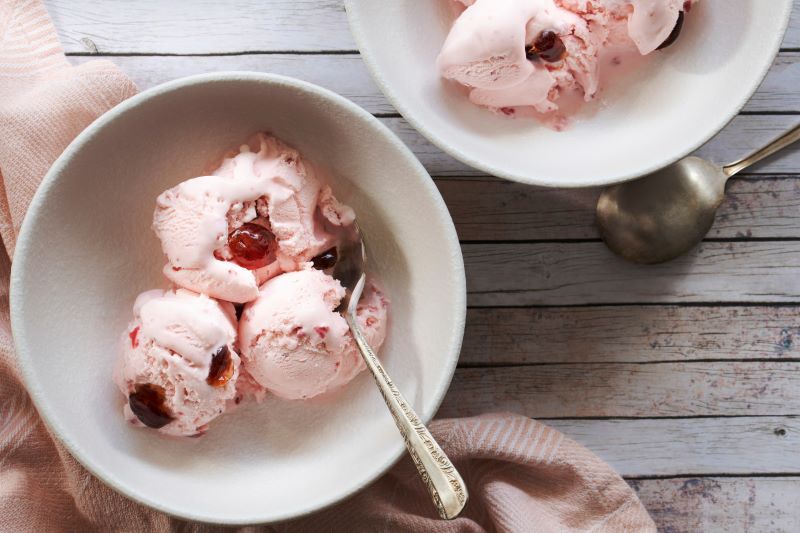
Image from Bord Bia
Characterised by flavour and format innovation, in-store promotions, and better for you, as well as treat options across meal occasions, there's something for all shoppers in the frozen aisle. In addition, shoppers are turning to frozen to help manage their household budget during the cost-of-living crisis, with competitive prices and long shelf lives associated with the category. As part of our Kantar category report series for prepared customer foods, we reviewed the performance of the frozen category in the Irish retail channel. We asked the question, 'With the overall decline in grocery spending, can frozen overcome challenges faced by the cost-of-living crisis to maintain growth?'. This insightful article will explore this question using Kantar dated (52 w/e 6th August) data.
According to Kantar, the Frozen category is one of the strongest performing categories within the grocery channel regarding volume and value growth (+10.4% value yoy, -1.8% vol yoy). Private label is driving growth in the category overall and now maintains a market share of 52.8% vs. brands at 47.2%.
Reviewing the sub-categories within frozen, prepared foods, followed by confectionary, hold the most significant value market share with 62.4% and 25.2%, respectively, and are the leading contributors to growth. Within prepared foods, savoury bakery and processed poultry drive performance, which in turn contributes to growth in the total frozen category. Within frozen confectionary (ice creams and desserts), lollies and premium ice cream drive this sub-category's success with category values of €14m and €11.5m, respectively. In desserts, 'pies, tarts, and flans' are delivering the most robust growth due to new shoppers entering the category. Frozen vegetarianism is declining, as shoppers tend to leave the category when faced with price increases. Veganuary 2023, typically a holy grail for the category, struggled to deliver growth, hitting a five year low. Though frozen branded vegetarian products hold over 80% of value share in the market, increased spend has come from private-label products only this year.
Competition for frozen market share between retailers is as competitive as ever, with just 0.1% separating Dunnes and Tesco at the top. However, Lidl has seen the fastest value growth (+22% yoy), driven by frequency and price. The report has also illustrated under trading in frozen food with certain retailers, demonstrating additional growth opportunities for companies. The frozen shopper is more diverse than ever, with historically under-represented segments such as older dependants, empty nesters, and retirees entering the frozen aisle due to the cost-of-living crisis. Similarly, more affluent shoppers and those with small households are finding themselves drawn to the category.
Looking into 2024, the future for frozen food is promising; the category has significant opportunities for increased growth due to its relevance to consumer needs. The category must work hard to drive volume opportunities while maintaining value to drive long-term sustainable growth. There are a range of opportunities for retailers and suppliers to support this, including further highlighting the category's cost and waste efficiency, innovation across meal occasions, and cross-branded opportunities, including meal deals, proving a strong success on the shelf.
References
Kantar. (2023). Frozen Channel Category Debrief. Bord Bia.