

Understanding Shopper Behaviour in Europe's Meat Market
Fionnuala Fahy, International Insight and Planning Specialist
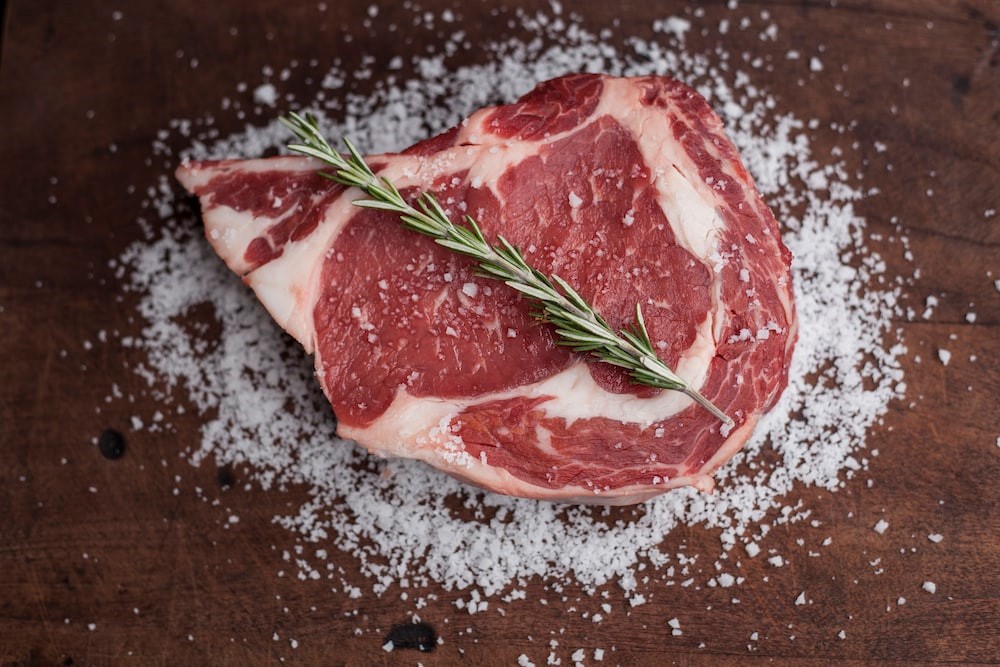
Image by Edson Saldaña on Unsplash
In September 2019 Bord Bia started tracking grocery shoppers across 5 European markets (IRL, UK, NL, ITA and DE), looking for deeper insight on how shoppers make decisions at the point of purchase. We have since added Belgium and Sweden, where we began tracking in July 2020. Below is a summary of our Q2 2023 Meat Shopper Insights report across all 7 markets.
Adapting to Economic Challenges
The cost of living crisis continues to spread across Europe, and shoppers are responding by stabilizing their category behaviours. Across some markets, there's a notable increase in consideration for beef, while purchase incidence remains steady or slightly improved. However, shoppers are becoming savvier, opting for more affordable cuts of meat, aligning with their evolving financial priorities.
Pre-shop Consideration
Beef consideration has declined in the Netherlands (-3%), Ireland (-4%), and Sweden (-4%) year-on-year, but it's on the rise in Italy (+5%) and Germany (+2%). Chicken and pork are also experiencing declines in consideration in Ireland (-7%) (-3%). Lamb consideration is making a comeback in most markets with the exception of Ireland (-2%), UK (-1%) and Belgium (-1%).
Point of Purchase, Perceptions and Barriers
Beef purchases have increased in the Netherlands (+3%) and Germany (+2%) year-on-year, with the number of beef formats purchased remaining consistent in most markets. Positively, there's an increase in the purchase of steak in key markets such as Italy, Ireland, and Germany. However, perceived expensiveness remains a significant factor affecting beef purchases. While the perception that beef is too expensive continues to grow, its rate of increase has slowed. Encouragingly, there's a decline in the proportion of shoppers who claim they didn't consider beef due to it not being in their meal plans, presenting an opportunity for engagement.
Sentiment and Motivators
While some shoppers still aim to reduce overall beef consumption, the intention to do so is decreasing in most markets. The most common reason cited for this intention is expensiveness, but its impact is less pronounced than in previous quarters. Sentiment toward beef is generally improving, with perceptions of it being a protein worth paying more for, less processed, and the best source of animal protein on the rise. While value for money remains crucial, taste credentials are gaining influence, except in Germany. Grass-fed beef is strongly associated with quality in markets like Italy (45%) and the UK (37%), providing an opportunity to entice trade-ups.
The evolving landscape of consumer preferences and behaviours in response to the cost of living crisis in Europe presents both challenges and opportunities for the industry. More affordable cuts of meat can cater to cost-conscious consumers, but there is opportunity to promote the value and taste credentials of beef, and explore the potential of grass-fed beef as a quality-driven trade-up option. Additionally, there is an opportunity to engage consumers and encourage beef to be included in meal plans and shopping lists through creative marketing strategies.
For full Europe Q2 2023 report please see here