

The Sweet Treat Mindset: Snacking, Indulgence, and Its Influence Beyond Food
Written by Ruth Johnson, Bord Bia International Graduate, Dublin Office
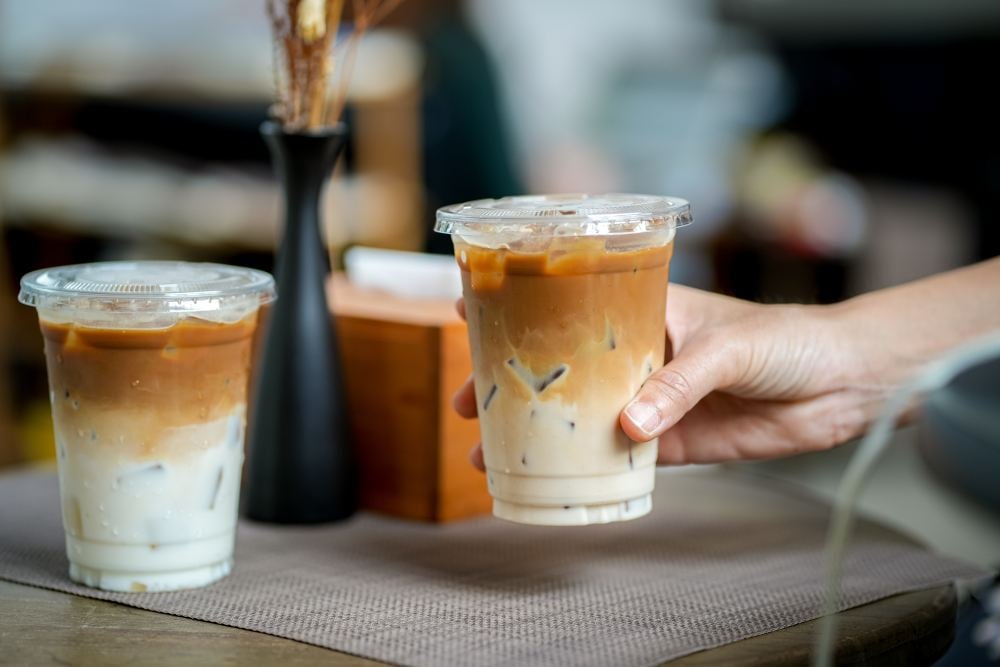 Image source: Shutterstock
In recent years, the prevalence of snacking has transformed consumer behaviour, reshaping how consumers view indulgence and luxury. Predicted to surpass $838 billion by 2029 (FortuneBusinessInsights, 2024), the global snack food market presents a budding commercial landscape for Irish food and drink brands. Far from being merely an eating habit, snacking has evolved into a broader cultural phenomenon with brands across multiple industries also tapping into this trend and marketing non-food products as affordable luxuries akin to indulgent snacks.
How Did We Get Here? The Rise of the Sweet Treat Mindset
According to a 2021 survey by Mondelez, 64% of global consumers now replace traditional meals with snacks (Stylus, 2024), driven in part by the rise of the "sweet treat mindset." For Gen Z in particular, this mindset offers a sense of control in an increasingly overwhelming world (Shure, 2024). Bord Bia’s Cultivate research further highlights this shift, showing that consumers are embracing small indulgences as comfort, freedom, and flexibility become key factors behind the decline of the traditional three-meals-a-day (Bord Bia, 2024).
In times of economic uncertainty, these treats act as affordable luxuries, offering moments of joy amidst instability. Known as the "Lipstick Effect," this shift in spending prioritises accessible indulgences during financial downturns—once limited to beauty products but now extending to snackable luxuries like fresh bakery items, specialty cocktails, or iced coffees priced to rival a monthly Netflix subscription.
Sweet Treats in Marketing: Beyond Food and Beverage
What’s fascinating, however, is how the sweet treat mindset has begun to influence non-food sectors. As inflation pressures disposable incomes, more brands are leaning into the snacking narrative, positioning their offerings as accessible indulgences on a par with a coffee and pastry, premium alcohol, or artisan confectionary.
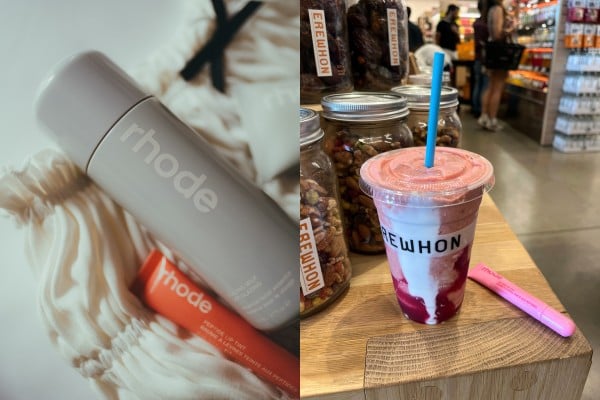
A compelling example of this trend can be found in the success of Hailey Bieber’s cosmetic brand, Rhode. While ostensibly a line of beauty products, Rhode borrows heavily from the language and aesthetics of indulgence and snacking. A striking 18 out of 27 product SKUs in Rhode’s skincare line are named after established comfort food and drinks—think "glazed donut" skin cream, "cinnamon roll" lip gloss, or blushes in shades like "spicy marg" and "watermelon slice." Interestingly Bieber doesn’t just stick to classic flavours like strawberry or vanilla; she zeroes in on hyper-specific sweet treats, cleverly positioning her products as indulgent, beauty-based alternatives to these everyday comforts and snacks.
More significantly, Rhode products are priced comparably to these everyday indulgences, with a lip gloss costing roughly the same as a croissant and cappuccino or a speciality cocktail. By embedding itself in this cultural context, the brand is positioning its products not just as beauty essentials but as affordable luxuries that mimic the indulgence benefits of sweet treats.
 Images source: Shutterstock
Other non-food brands are eagerly claiming their slice of the proverbial pie, leveraging sensorial marketing to whet consumer appetites for their products. In the fashion world, powerhouses like Jacquemus, J. Crew, and Skims are bringing their products to life by tapping into the familiar sights, smells, and flavours of food. From onomatopoeic (figures of speech in which words imitate or resemble the words they describe) descriptors like oozy, juicy, and melty to aromatic associations of toasty, roasty, and fluffy, these brands are borrowing heavily from the language of snacking and indulgence to give consumers a 'taste' of their product offerings. By integrating high-end luxury with the sensory appeal of food, they’re notably shifting consumer cravings—making luxury products must-haves for any moment of indulgence, not just reserved for milestone celebrations.
The Sweet Treat Effect: A Strategic Opportunity for Irish Brands
The evolving snacking culture presents an important opportunity for Irish food and drink marketers to rethink how they engage with consumers. Once viewed purely as functional or convenience-based, food and drink snacking has transformed into a space dominated by emotional and sensorial appeal. However, as non-food brands tap into the language of indulgence, joy, and comfort traditionally associated with food and drink, food brands face the dual challenge of competing not just within their sector but also with beauty, lifestyle, and wellness industries that are leveraging these same qualities. To compete effectively in this landscape, food and drink brands must first and foremost assert their inherent strengths.
Reclaiming Indulgence: Sensorial Content to the Fore
Sensorial content, packaging and branding are all key to adapting to the evolving snacking landscape and tapping into the "sweet treat" movement. By drawing inspiration from the beauty industry—where the indulgence and sensory appeal of food has been skilfully brought to life—food and drink brands now more than ever, have permission to elevate their offerings through powerful, sensorial storytelling and design inherent to their product’s ingredients, flavours and textures (Chechi, 2024). Gü Desserts is a standout example, having disrupted the dairy category with their hyper-indulgent chilled dessert range. Their approach shows how strategic branding and positioning that leans on multilayered sensorial content can challenge an established category, delivering a product that exudes premium quality, serves indulgence, and remains accessible to the everyday consumer at an affordable price point.
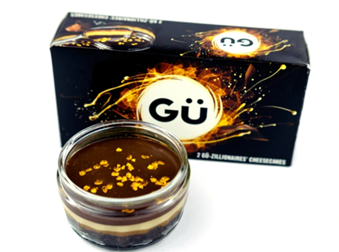 Image source: Shutterstock
Conclusion
With snacking increasingly driven by desires for comfort, freedom, and flexibility, as highlighted by Cultivate trends research, there’s a clear opportunity to amplify the emotional appeal of food and drink. Non-food brands have boldly leaned into these emotional cues—despite offering no real sensorial benefits—showing the power of engaging the limbic system when it comes to tapping into deep emotional drivers. By exposing the consumer to the full sensorial suite of sight, sound, touch, taste, and smell of food products, marketers could strive to create a full 360-degree sensory experience that repositions their products as the ultimate indulgence (Chechi, 2024), leveraging the growing trend of sweet treat mindsets and reclaiming their appeal as the go-to source of comfort and satisfaction.
For more insights, explore Bord Bia’s Cultivate Trends report on My Bord Bia. Further materials from our recent Snacking Trends for 2025 in collaboration with Mintel are available on My Bord Bia now.
For more detailed insights, explore Bord Bia’s Cultivate Trends report available on My Bord Bia. Additional materials from our recent collaboration with Mintel on Snacking Trends for 2025 are also accessible on My Bord Bia now.
References:
Bord Bia (2024) Cultivate - Consumer Lifestyle Trends .
Chechi, H. (2024) Unlock sensory marketing: What it is and why it works, Glion. Available at: https://www.glion.edu/magazine/what-is-sensory-marketing/
Rhode Skin by Hailey Rhode Bieber (no date) rhode. Available at: https://www.rhodeskin.com/
Saven , M. (2024) The New Snacking Roadmap, Stylus. Available at: https://app.stylus.com/food-beverage/the-new-snacking-roadmap
Shure, M. (2024) How snack companies are cashing in on ‘little treat culture’, Food & Wine. Available at: https://www.foodandwine.com/little-treat-culture-explained-8647164
Yordanos, M. (2023) What is the Treat Culture Movement on TikTok?, The Influence Agency. Available at: https://theinfluenceagency.com/blog/treat-culture-movement-tiktok