

Content is King: Content Marketing 101
August 10th 2020
Conor Kirwan, Digital Marketing, Bord Bia –The Irish Food Board
Covid-19 has acted as a catalyst in the rapid shift to Digitalization across a number of sectors. Irish Food and Drink producers operating in the Retail and Foodservice sector saw significant reductions in sales as a result of a nationwide lockdown and a change to consumer buying behavior. As a result of Covid 19, 41% of Irish adults stockpiled essential food and drink products, with 75% of Irish adults minimizing their trips to the shop, according to Bord Bia’s Future Proofing Indicators research
Irish Food and Drink producers have adapted to the pandemic through the use of e-commerce, offering products direct to consumers doors. As a result of this shift towards digital and e-commerce, a producer’s website and their content has become just as important as their product itself. Your website forms part of not only your marketing team but also your sales and customer service team, meaning it’s important to have it optimized and at its best.
What is Content Marketing?
Content Marketing is valuable, relevant, compelling content, served to a defined audience on a consistent basis that results in a tangible or profitable action (Hubspot 2020). It focuses more on consumer needs rather than the brand purpose and is a continuous process that answers a number of questions along the buyer persona journey.
Content Marketing
There are 27 million pieces of content shared every day and this content comes in many formats, from blog posts and e-books to video and podcasts. There is a 5 step process in content marketing and these are:
1. The Discovery & Planning Stage
Answering questions such as
- where will the consumer be viewing the content
- what device will they consume content on
- What is the best format to deliver the content and address the audience needs (editorial style, infographic, and video?)
- Do I have the resources to create this asset (people & budget)
- What do we hope the consumer will do with this content – (share with their social network, engage with the content, make an online purchase)
2. Defining the pain point
Whether you operate in a B2C or a B2B environment, it’s important to understand your customer’s pain point. By understanding this, it allows your brand to create content that addresses this issue.
3. Content Creation
Content creation is a continuous and iterative process. Define in what format you are going to produce the content and decide whether you are creating a new piece of content or repurposing existing content.
3.1 Repurposing Content
Identify if you have existing content that fits the theme and keywords identified in the discovery & planning phase and repurpose it.
For example, if a company has a blog post centered around nutritional information for a specific age group, the company has the opportunity repurpose this content into a new format such as an infographic that highlights the top 10 Tips for Teenage Nutrition.
4. Distribution of Content
Content Distribution is the promotion of content in multiple formats through various channels. These can be grouped as:

Owned
Distributing content through channels that belong to you such as your website, email newsletter or social media.
Earned
Distribution of content by a 3rd party about your brand such as press coverage, guest articles, reviews and social media engagements.
Paid
Where you pay for the distribution of your content through methods such as paid social media advertisements, PPC or influencer marketing.
5. Analyzing your content.
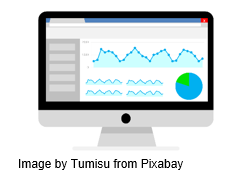
It’s important to measure and understand your content through the use of data analytics. The metrics you use for analyzing your content depends on the importance to your business. Some general metrics are
- Page views – number of visits to the piece of content
- Organic Traffic – traffic that has found the content organically through
- Bounce Rate – the percentage of visitors who leave your site after only visiting one page.
- Time Spent on Page – average time a user will spend on each of the pages.
- Online sales
5.1 Tools:
- Google Analytics -can provide you with a detailed insight into your audience demographics and their behavior on the site. It allows you to make custom dashboards for a clear and concise overview of different pages/campaigns on the site.
- Hotjar can provide detailed insight into how users are navigating on your site, from where users are clicking on the pages and even how far beyond the fold users will scroll through the use of the tools heat maps function.
- Hubspot offers a number of marketing tools for email, social and website. The email marketing tool allows users to create and distribute email campaigns while analyzing a number of metrics and campaigns.
Other Factors to consider:
User Experience (UX)
A well-researched user experience on your website is essential when trying to retain and attract new users. When producing content or optimizing content currently on your website, be an advocate for the user and consider how each element will impact their journey. Factors such as load time of a page can significantly impact a user’s experience. Try keeping file sizes of media and images on the site as small as possible.
Inbound Linking
If you are producing content for your website that could be related to existing content on the site, make sure to link these pieces. By linking these pieces, it can increase user interaction on the website and provide additional value for users.
Search Engine Optimization
Undertake some key word research which will answer a number of questions such as what people are searching for, how many are searching for it and in what format they are searching. After you’ve undertaken this research, you should review existing content on your site and check if you are using these key words in your content.
References
HubSpot Content Marketing Certification Course
Bord Bia Future Proofing Toolkits
Content Marketing, Niamh O’Shaugnessy, Bord Bia
Supports
Bord Bia has a range of Digital Marketing resources through it’s Think Digital programme, a learning initiative as a direct response to an identified skills and knowledge gaps in the Irish Food Industry. For more information and resources, visit the Think Digital Page here


